AquaWeave
Weaving Liquid-Activated Morphing Bio-Textiles
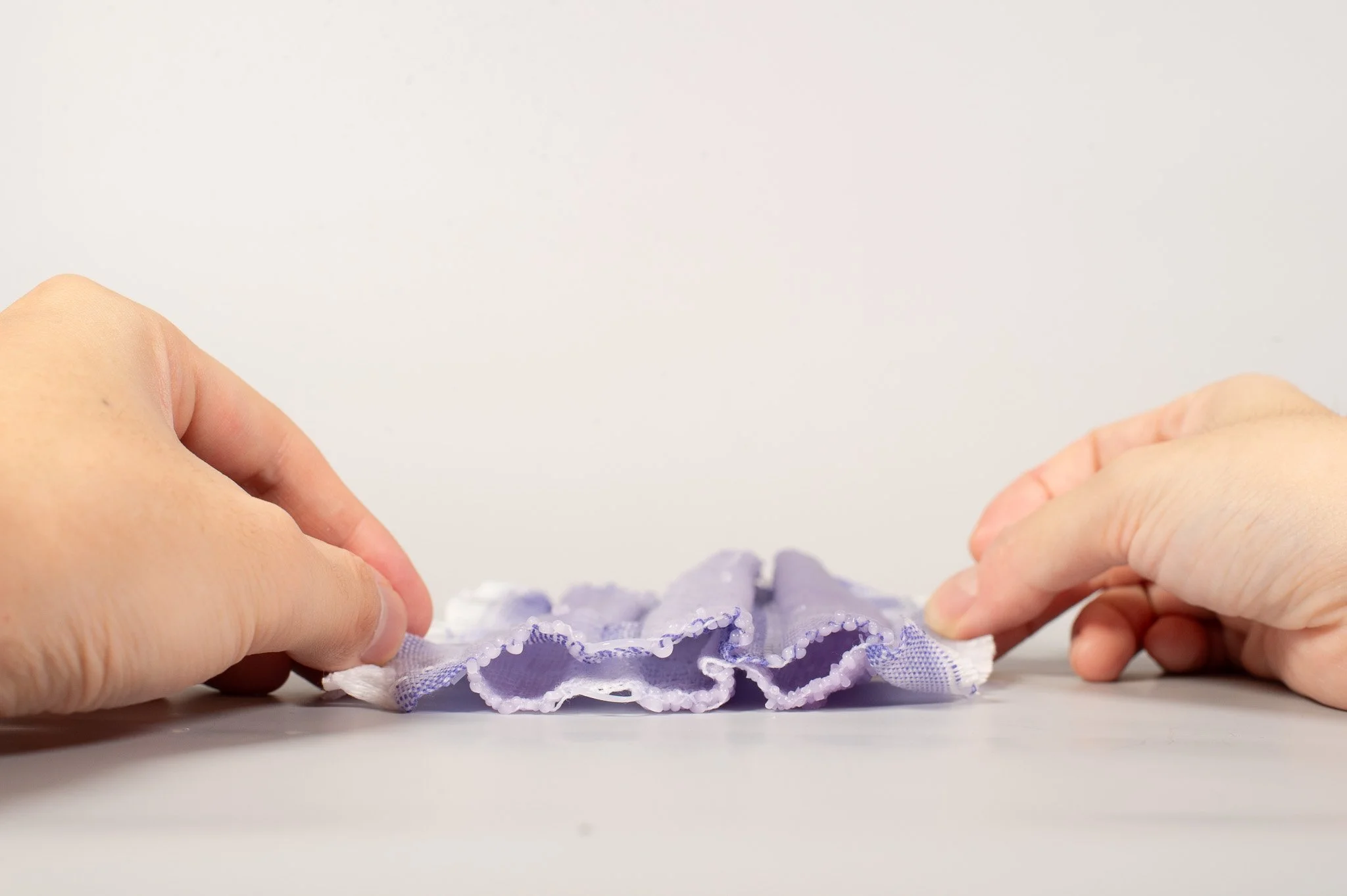
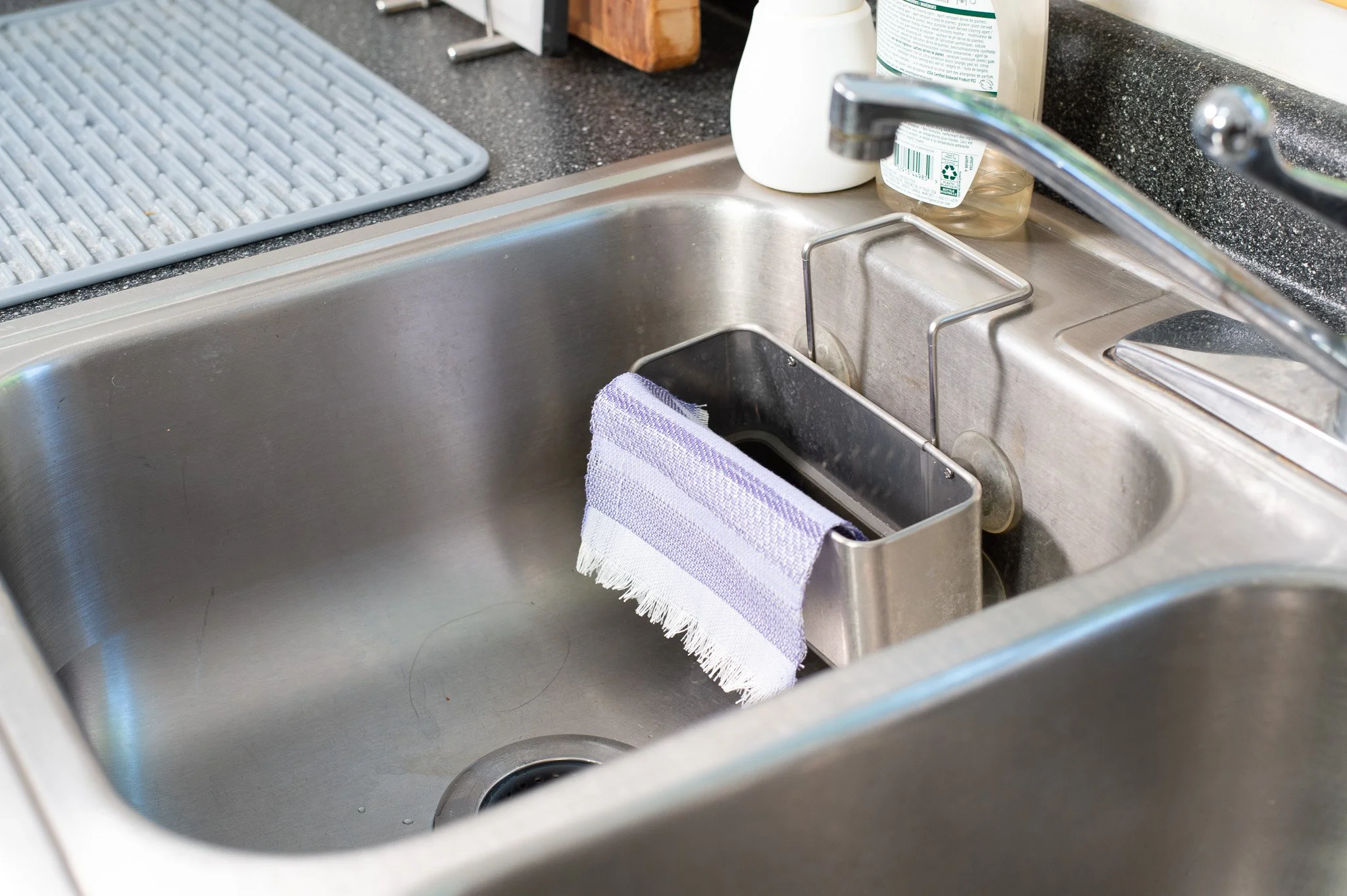
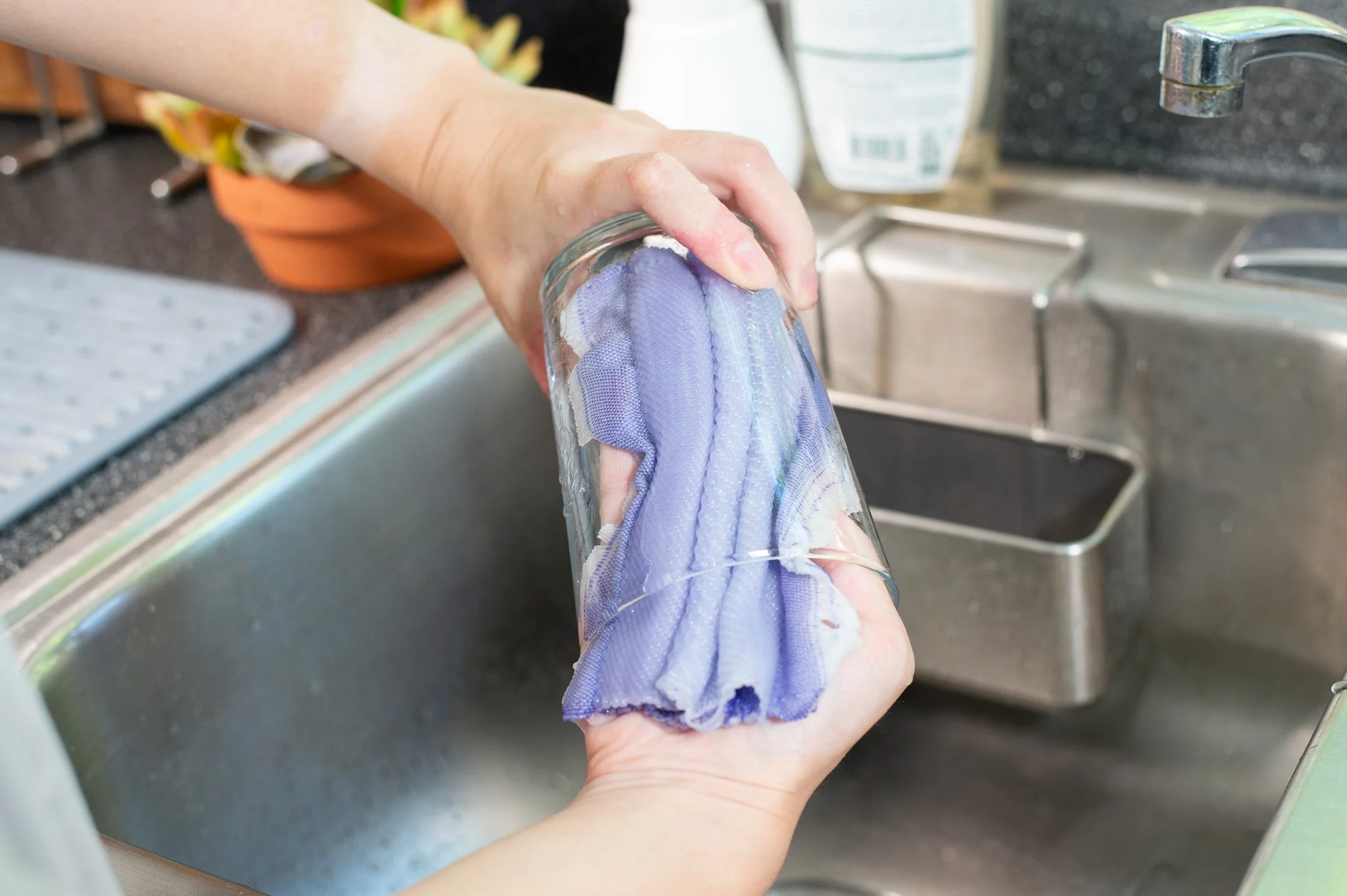
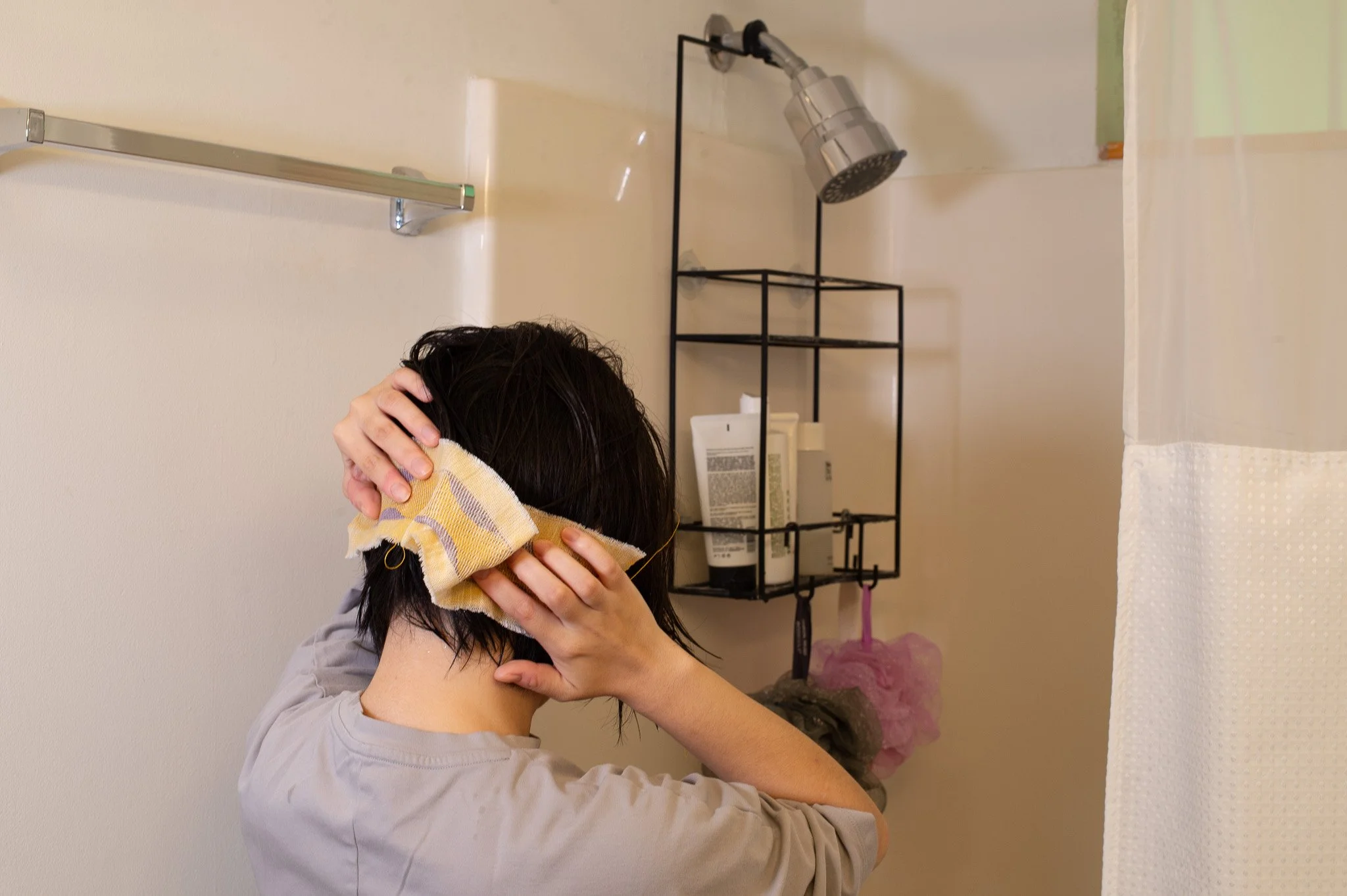
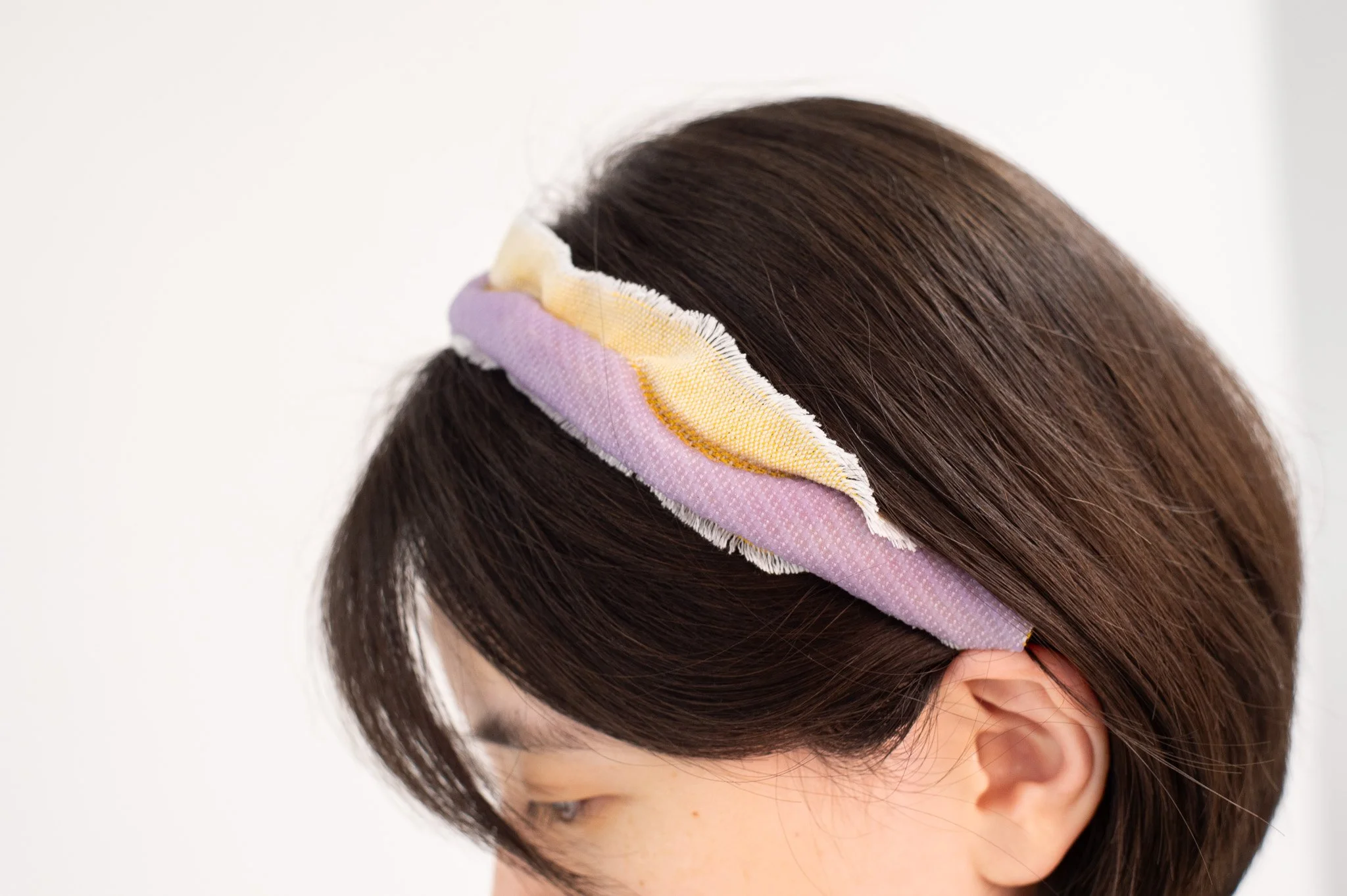
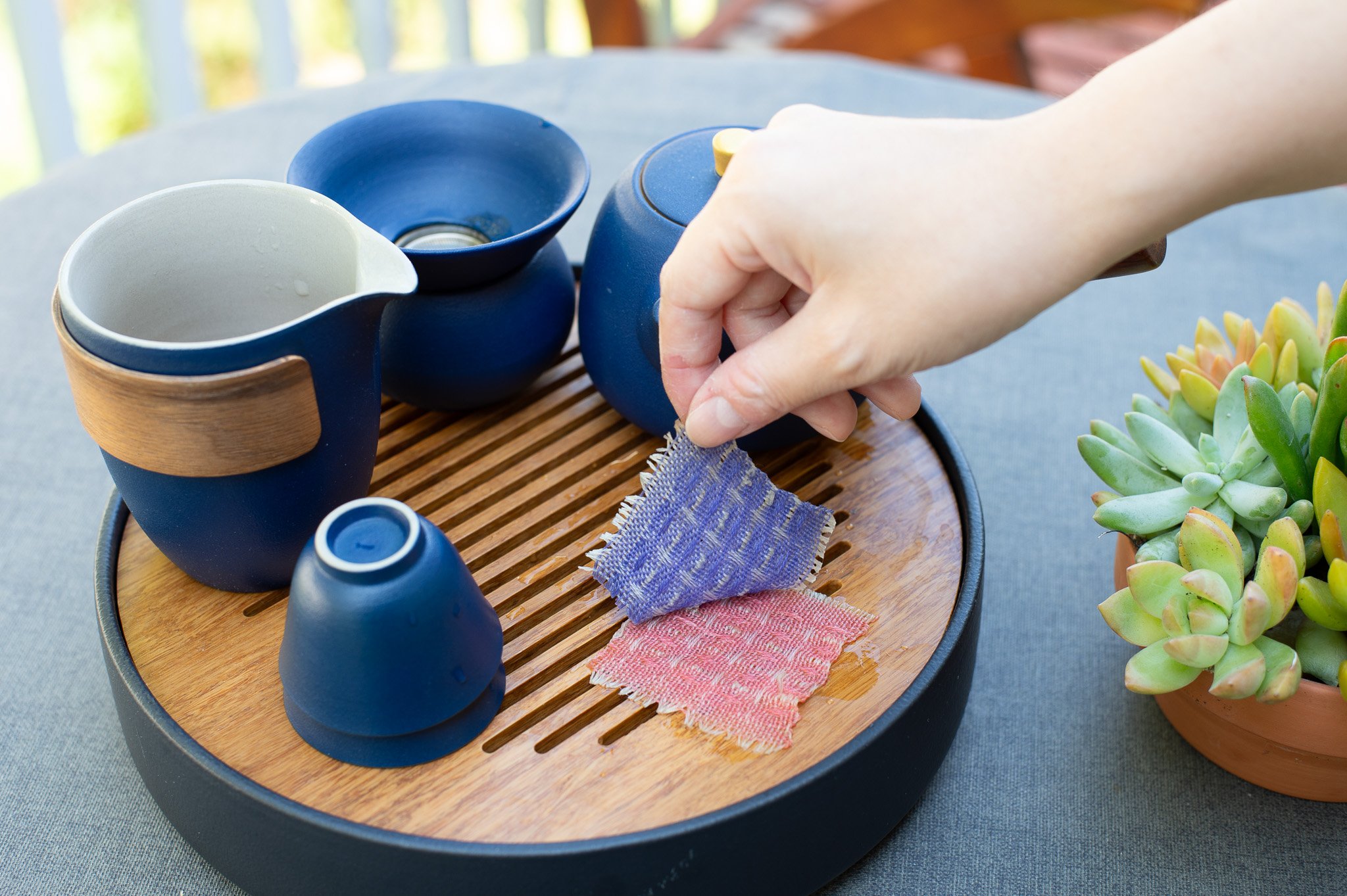
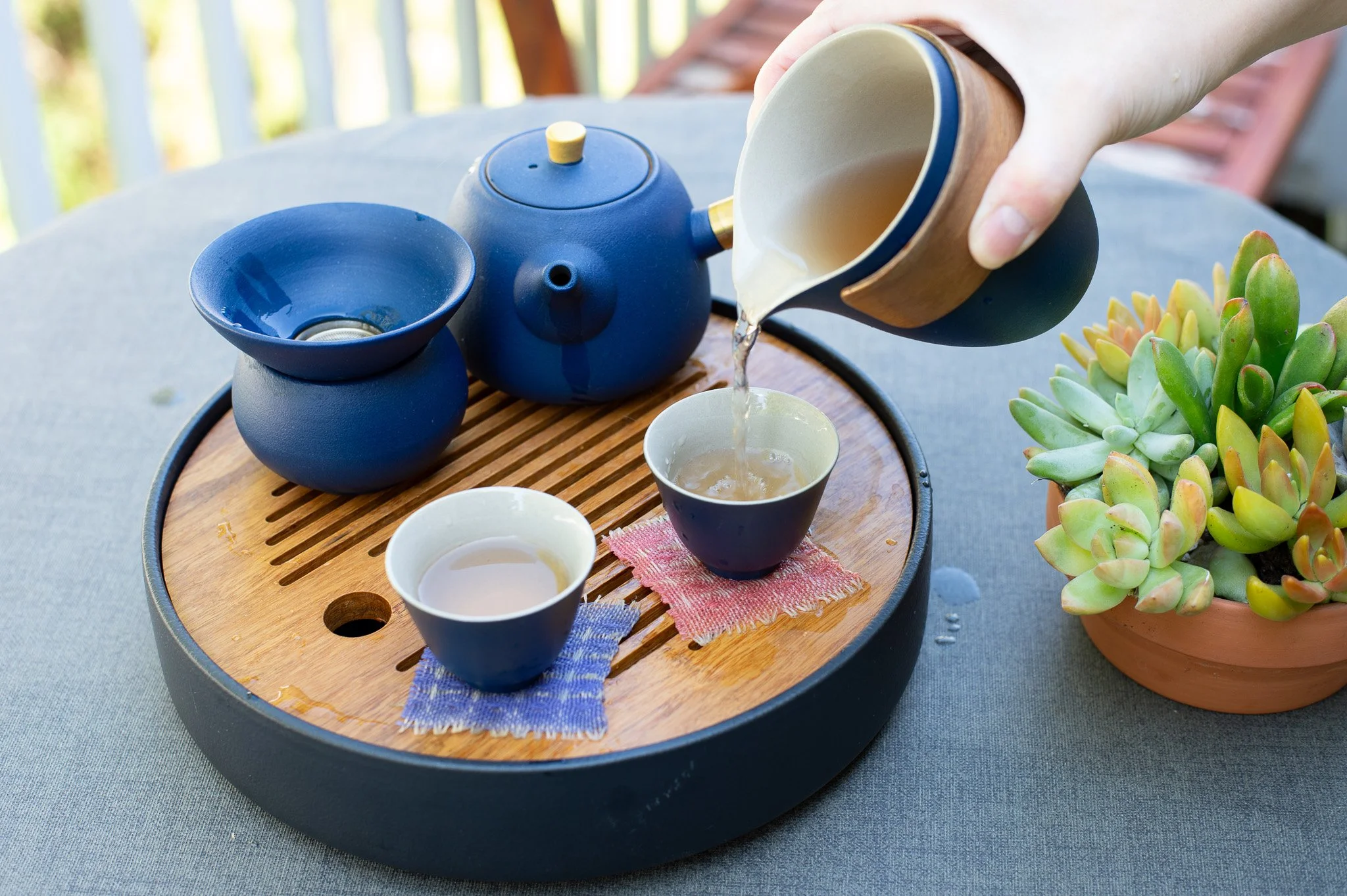
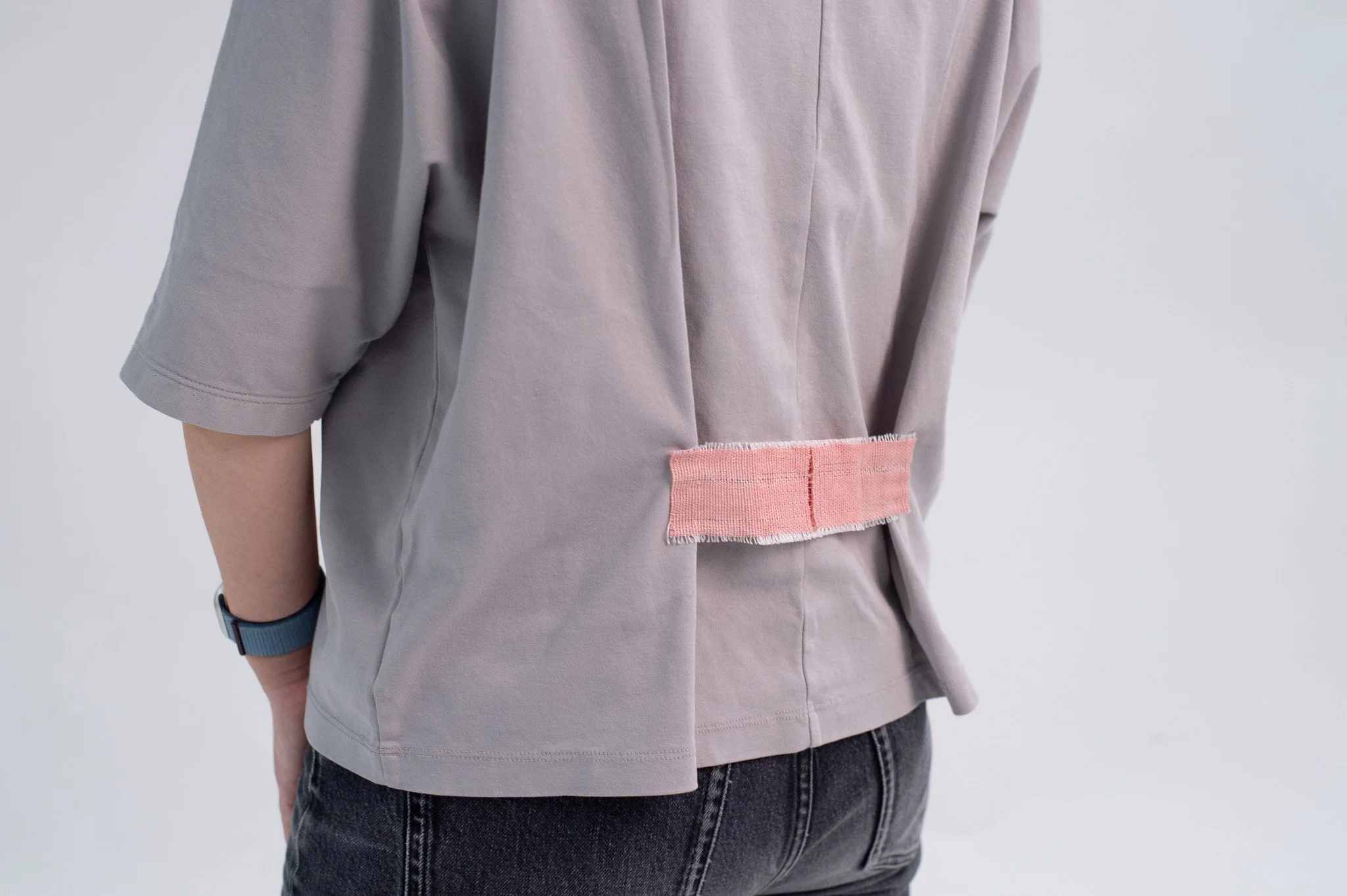
In Human–Computer Interaction (HCI), weaving has been used to fabricate soft, interactive interfaces through complex structures and functional wefts. Recent work introduces biomaterials with dynamic behaviors into weaving. AquaWeave systematically investigates and compares how weave parameters mediate liquid-activated morphing behaviors across multiple bioyarn systems. We contribute fabrication and characterization of morphing bioyarns-- alginate, chitosan, gelatin--that enable swelling and dissolving properties, and a design menu of weaving structures to investigate how float length, weft density, yarn placement, and compound structures mediate and control these transformations. Through a workshop study, we capture textile practitioners’ perspectives on designing with morphing bio-textiles, highlighting the role of sampling in conveying material behavior and the importance of tactile engagement in shaping design decisions. Our findings show how weaving can shift material transformation from a failure mode to programmable deformation, while designing with morphing bio-textiles relies on embodied interaction with materials, where making, activation, and evaluation are closely intertwined.
Keywords: sustainability, biodesign, morphing materials, e-textiles
Project Credits: Jingwen Zhu, Eddie Kuangqi Zhu, Emily Fan, Megan Wu, Samantha Chang, Cindy Hsin-Liu Kao
Publication: Proceedings of the ACM Symposium on User Interface Software and Technology (UIST ’26) PDF | DOI